Understanding Golf Cart Battery Types
Golf carts rely on batteries as their primary source of power, and understanding the different types of batteries is crucial for proper maintenance and effective charging. There are primarily two types of batteries used in golf carts: lead acid batteries and lithium-ion batteries. Each type has unique properties and charging requirements, both of which are essential for optimizing performance and longevity.
Lead Acid Batteries
Lead acid batteries have been the standard choice for golf carts for decades. They are comparatively lower in cost and are established technology. These batteries come in two main forms: flooded lead-acid (FLA) and sealed lead-acid (SLA). FLA batteries require regular maintenance, including periodic water refills, while SLA batteries are maintenance-free.
One notable characteristic of lead acid batteries is their need for a specific charging procedure. Overcharging can lead to heat buildup, water loss, and reduced battery lifespan. Therefore, it’s essential to understand how to charge lead acid batteries properly to maintain their efficiency.
Lithium-Ion Batteries
Lithium-ion batteries are gaining popularity among golf cart users due to their efficiency, longer lifespan, and lighter weight. These batteries can hold a charge longer and typically require fewer charging cycles compared to lead acid batteries. They are also more environmentally friendly, as they do not contain harmful acid and metals.
Charging lithium-ion batteries is different from lead acid, as they can be charged frequently without damage. However, using the appropriate charger is critical to prevent overcharging or overheating. Understanding these nuances is vital for any golf cart owner considering a battery upgrade.
Comparison of Battery Types
When comparing lead acid and lithium-ion batteries, several factors should be taken into account:
- Cost: Lead acid batteries are generally less expensive upfront, whereas lithium-ion batteries have a higher initial cost but offer better long-term savings due to reduced replacement frequency.
- Lifespan: Lithium-ion batteries usually last 5-10 years, while lead acid batteries can last around 3-7 years, depending on usage and maintenance.
- Weight: Lithium-ion batteries are lighter, which can improve the golf cart’s performance and range.
- Maintenance: Lead acid batteries require more upkeep than lithium-ion batteries, which are more user-friendly.
How to Charge Golf Cart Batteries: Step-by-Step
Knowing how to charge golf cart batteries is essential for maintaining their performance and extending their lifespan. Here’s a step-by-step guide on the charging process, regardless of battery type.
Preparing the Battery for Charging
Before commencing the charging process, it's essential to prepare your batteries properly. This involves a few critical steps:
- Inspect the Batteries: Check for any visible signs of damage, such as cracks or corrosion on terminals. Damage can lead to further complications if left unaddressed.
- Clean the Terminals: Use a mixture of baking soda and water to clean battery terminals. This prevents corrosion that can inhibit charging efficiency.
- Check Water Levels: For flooded lead acid batteries, ensure the water levels are adequate, adding distilled water if necessary.
- Ensure Correct Charger Type: Confirm that you are using the appropriate charger type for your battery, whether it be manual or automatic.
Using a Manual Charger
Charging with a manual charger requires more attention and is well-suited for users who are knowledgeable about battery management. Here are the steps involved:
- Connect the Charger: Attach the positive (+) lead of the charger to the positive terminal of the battery and the negative (-) lead to the negative terminal.
- Set the Charger: Adjust the charger settings according to the battery specifications regarding voltage and amp rating.
- Monitor Charging: Keep an eye on the process; manual chargers typically require you to monitor the charge level periodically.
- Disconnect the Charger: Once fully charged, follow reverse order to disconnect, ensuring no sparking occurs.
Charging with an Automatic Charger
Automatic chargers simplify the charging process by managing voltage and current flow. Here’s how to use one:
- Connect The Charger: As with manual chargers, connect the positive and negative leads, ensuring a secure connection.
- Turn on the Charger: Unlike manual chargers, you don’t need to set parameters; just switch it on, and it will adjust itself.
- Leave to Charge: Automatic chargers often include features like trickle charges and automatic shut-offs once batteries are full.
- Disconnect Once Done: After charging, safely disconnect the charger, ensuring all connections are tight before usage.
Key Safety Precautions When Charging Batteries
Charging golf cart batteries involves certain hazards that must be acknowledged and mitigated for safe practice. Here are key safety precautions to ensure a safe charging environment.
Protective Gear
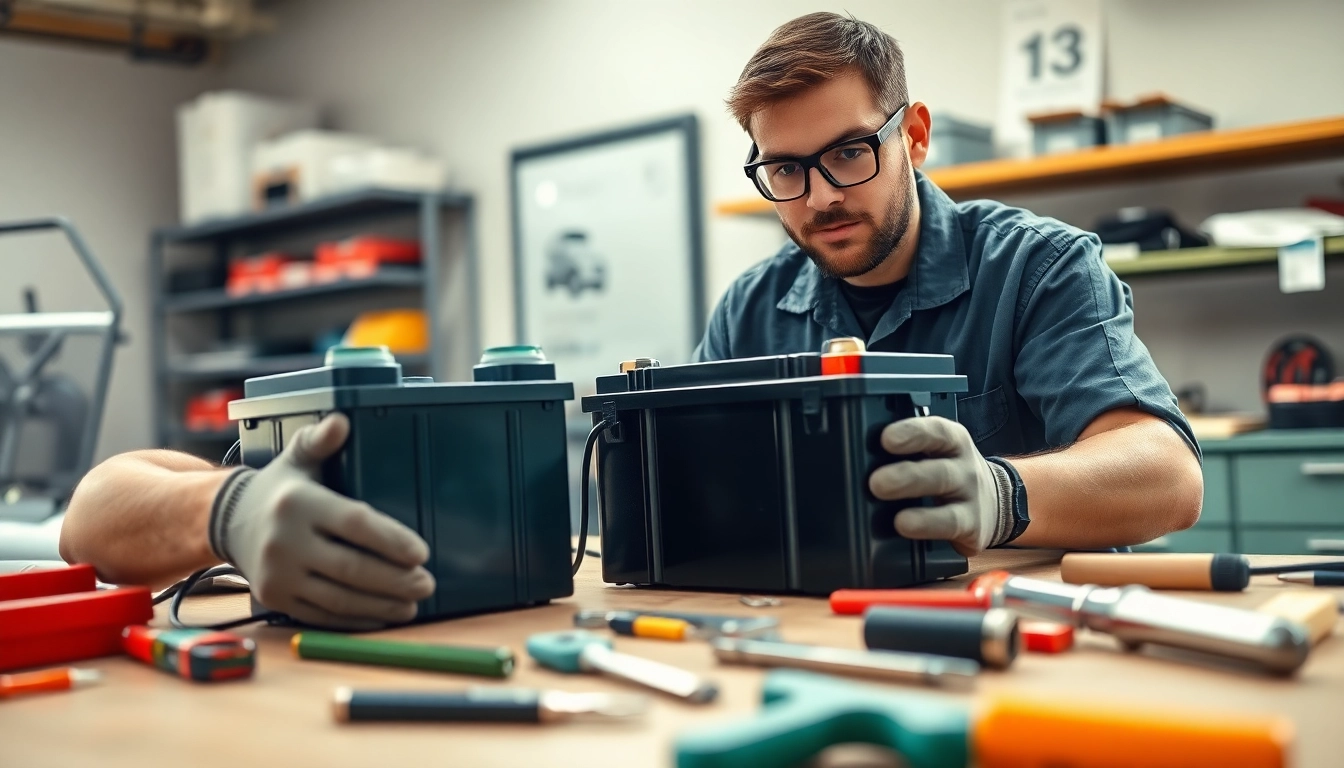
Always wear protective gloves and goggles while handling batteries. This prevents injury from acid spills, sparks, or electric shock. It's a small measure that can significantly enhance safety.
Ventilation Needs
Charging batteries can produce hydrogen gas, especially in lead acid batteries. Ensure that the charging area is well-ventilated to prevent gas buildup, which can lead to explosions or fires.
Common Hazards to Watch For
Be vigilant about potential hazards, including:
- Overheating: Monitor for excessive heat, as this can indicate a failing battery or inappropriate charge techniques.
- Corrosion: Regularly check for corrosion on battery terminals and connectors, as this can impede charging.
- Battery Leaks: Keep an eye out for leaks which can result from overcharging or physical damage.
- Electrical Sparks: As a best practice, always connect and disconnect the charger in the correct order to avoid sparks.
Maintenance Tips for Extended Battery Life
Proper maintenance is critical for maximizing the lifespan and performance of your golf cart batteries. Here are essential maintenance tips that can help you achieve this.
Regular Cleaning
Keep your batteries clean by regularly wiping down the terminals and surrounding areas. This prevents build-up that can affect performance and lead to corrosion. A clean battery operates more efficiently and lasts longer.
Routine Inspections
Schedule routine inspections to look for issues such as loose connections, signs of corrosion, and battery swelling. By catching problems early, you can avoid costly replacements and enhance performance.
Optimal Charging Practices
Establish a charging routine that suits your battery type. For lead acid batteries, charge them after each use; for lithium-ion batteries, you can charge them often without damage. Proper charging and discharging cycles are crucial for battery longevity.
FAQs About Charging Golf Cart Batteries
How often should I charge my golf cart batteries?
It's best to charge your golf cart batteries after each use or at least every two weeks to maintain battery health.
What is the best charger for golf cart batteries?
The best charger is one that matches your battery type and capacity, ensuring safe and efficient charging.
Can I overcharge my golf cart batteries?
Yes, overcharging can cause battery damage and reduce lifespan; use a charger with automatic shut-off if possible.
Why do golf cart batteries leak?
Batteries may leak due to overcharging or damage; check connections and chargers regularly to prevent this.
What are the signs my golf cart batteries need replacement?
Signs include a significant drop in performance, swelling, corrosion, or a lack of charge retention.