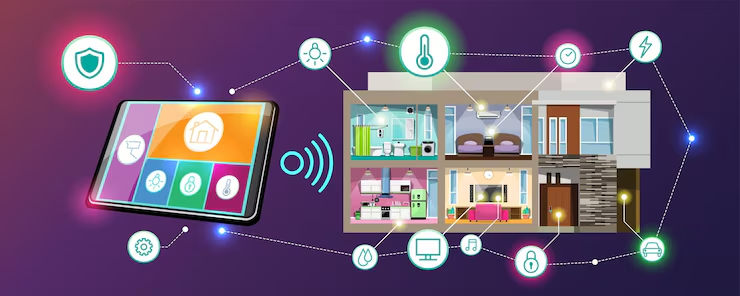
Understanding Smart Home Devices
With the rapid technological advancements, the concept of home automation has reached unprecedented heights. Smart home devices are at the heart of this revolution, transforming how we interact with our living spaces. These Smart home devices offer seamless control, increased efficiency, and enhanced convenience, making them essentials in modern households.
Definition and Purpose
Smart home devices refer to internet-connected gadgets that enable users to manage and monitor various home functionality from their smartphones, tablets, or voice assistants. The primary purpose of these devices is to improve user convenience, enhance security, and promote energy efficiency. With smart technology, mundane tasks such as controlling lighting or temperature can be automated, freeing up time for more important activities.
Key Benefits of Smart Home Devices
The adoption of smart home devices provides several pivotal advantages:
- Remote Control: Ability to control devices from anywhere using smartphones.
- Energy Efficiency: Devices can adjust usage patterns to conserve energy.
- Enhanced Security: Integrated security systems offer peace of mind.
- Increased Comfort: Automate daily routines for comfort and convenience.
- Customization: Users can tailor systems to meet specific needs.
How Smart Home Devices Work
Smart home devices function through a network of interconnected devices that communicate through Wi-Fi or other protocols like Zigbee and Z-Wave. They typically consist of sensors, controllers, and actuators. Sensors collect data, such as temperature or motion, and send this information to a central hub or directly to the user's device. The controller processes this data and instructs actuators to carry out the desired action, such as adjusting temperature or turning on lights.
Types of Smart Home Devices
Smart home devices can be broadly categorized into various types, each serving unique functions while contributing to an integrated smart home experience.
Smart Lighting Solutions
Smart lighting solutions, including smart bulbs and lighting systems, allow users to control brightness, color, and schedules remotely. These systems can be customized according to personal preferences, enhancing ambiance and energy efficiency. Users can set scenes for different occasions or automate lighting based on occupancy.
Smart Security Systems
Modern smart security systems include features such as smart cameras, doorbell cameras, and smart locks. These devices provide real-time monitoring and alerts, ensuring homes are secure. With mobile notifications and remote access capabilities, homeowners can keep track of their property from anywhere.
Smart Climate Control Devices
Smart thermostats and climate control devices automatically adjust heating and cooling systems based on user preferences or occupancy patterns. They contribute to significant energy savings and can be controlled remotely, allowing users to maintain comfortable temperatures even when away from home.
Choosing the Right Smart Home Devices
Finding the right smart home devices involves careful consideration of individual needs and existing systems.
Identifying Your Needs
Assessing your requirements is crucial in selecting appropriate smart home devices. Consider the areas of your home that need automation, whether for security, convenience, or energy management. Prioritize these needs to focus on devices that offer the most value.
Compatibility with Existing Systems
Before purchasing smart home devices, ensure they are compatible with your current home infrastructure. Compatibility with existing Wi-Fi networks and integration with other smart systems is essential for a seamless experience.
Budget Considerations
Smart home devices come in a wide range of prices. Determine your budget while also weighing the long-term savings on energy and security improvements that these devices can provide. Investing in reliable and efficient devices is often more beneficial than opting for budget alternatives.
Installing Smart Home Devices
Installation processes can vary among smart home devices, but some basic tenets apply across the board.
Basic Installation Steps
Common installation steps generally include:
- Unboxing the device and reading the instructions thoroughly.
- Connecting the device to a power source where applicable.
- Setting up the device through a dedicated mobile application.
- Linking the device to your home Wi-Fi network for remote control.
Common Mistakes to Avoid
Some common pitfalls during installation include neglecting to update the device firmware, overlooking compatibility with existing systems, and improper placement of devices which may hinder their functionality. Always refer to the user manual for best practices.
Ensuring Network Stability
A stable network connection is integral for the effective operation of smart home devices. Consider investing in a robust router or Wi-Fi extender to ensure all devices maintain a strong and consistent signal, especially if you have multiple devices spread across a large area.
Maximizing the Use of Smart Home Devices
Once your smart home devices are installed, there are strategies to maximize their use.
Integrating with Home Networks
Ensure all devices are integrated into a common home network. Some devices can interact with each other, allowing for advanced functionalities like triggering security cameras when a doorbell rings or adjusting the thermostat when the last person leaves home.
Using Automation for Efficiency
Automation features can significantly boost efficiency. Create routines or schedules that match your daily activities, such as setting lights to dim at sunset or the thermostat to adjust while you're away at work.
Monitoring and Maintenance Tips
Regular monitoring of smart devices can provide insights into their performance. Engage with built-in maintenance reminders and ensure devices are updated with the latest software to enhance functionality and security.
Frequently Asked Questions
1. What are smart home devices?
Smart home devices are internet-connected gadgets that allow homeowners to control and monitor various aspects of their home remotely through smartphones or voice assistants.
2. Are smart home devices secure?
While many smart home devices come with robust security features, it's essential to maintain strong passwords, keep firmware updated, and secure your home network to minimize risks.
3. Can smart home devices work without Wi-Fi?
Most smart home devices require Wi-Fi for remote access and control. However, some may offer local controls if configured correctly.
4. Are smart home devices worth the investment?
Smart home devices often lead to energy savings, increased convenience, and enhanced security, making them worthwhile investments for many homeowners.
5. How do I choose the right smart home devices?
Identify your needs, ensure compatibility with current systems, and consider your budget when selecting smart home devices to maximize their benefits.