

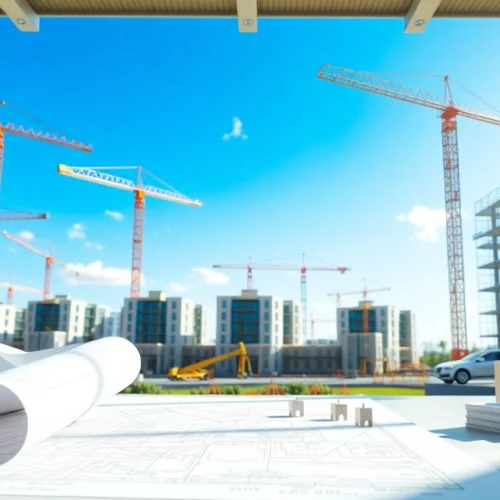
Understanding the Role of a Residential Building Developer
In the ever-evolving world of real estate, the role of a residential building developer stands out as one of the most critical functions. These professionals are tasked with transforming raw land into livable, vibrant communities. This comprehensive guide delves into the roles, responsibilities, and processes involved in residential building development, offering insights into how these developers navigate the complexities of real estate, from market analysis to final construction.
What Does a Residential Building Developer Do?
A residential building developer orchestrates the various stages of a real estate project, encompassing a range of activities including land acquisition, project financing, design, and construction. Their responsibilities can be summed up as follows:
- Land Acquisition: Identifying and purchasing appropriate land for residential projects is a primary duty of developers. This involves assessing the land’s potential and ensuring that it meets regulatory and infrastructural requirements.
- Project Planning: Once land is secured, developers engage in theoretical and practical planning, outlining timelines, budgets, and the overall vision for the project.
- Financing: Obtaining financing is crucial. Developers must present a compelling case to banks or investors to secure the needed capital for construction.
- Regulatory Compliance: Navigating local zoning laws, building codes, and environmental regulations is essential to avoid delays and legal issues.
- Construction Management: Essentially overseeing the construction site, ensuring work adheres to design plans, budget considerations, and timelines.
- Marketing and Sales: Post-construction, developers typically coordinate marketing efforts to sell or lease completed units. This requires a close understanding of the target market.
Key Skills for a Successful Residential Building Developer
To be successful in residential development, certain skills are vital:
- Project Management: Effective organizing and planning of the project’s life cycle.
- Financial Acumen: An understanding of real estate financing options, budgeting, and financial modeling.
- Negotiation Skills: Strong negotiation capabilities are necessary for securing favorable land deals and contracts with various stakeholders.
- Marketing Expertise: Ability to market and sell properties efficiently, understanding market dynamics.
- Regulatory Knowledge: Familiarity with zoning laws, building codes, and environmental regulations.
The Importance of Market Research in Residential Development
Market research is the cornerstone of any successful residential development project. It allows developers to understand the demographics of potential buyers, assess housing demands, and identify market trends. Key components of market research include:
- Demographic Analysis: Understanding the local population’s needs, preferences, and income levels informs decisions about the type of units to develop.
- Competitor Analysis: By studying competitor offerings, developers can identify gaps in the market and refine their unique selling propositions.
- Trend Analysis: Keeping an eye on design trends, lifestyle preferences, and economic shifts is necessary for adapting to ever-changing market conditions.
Steps in the Residential Development Process
Identifying Available Land and Opportunities
The first step for any residential building developer is identifying suitable land. This involves:
- Site Selection: Factors such as location, accessibility, proximity to amenities, and economic stability come into play.
- Feasibility Studies: Assessing whether the land can support the intended development in light of costs and regulations.
- Due Diligence: Running background checks on zoning restrictions, property lines, and environmental considerations.
Navigating Regulatory and Legal Requirements
Once land is identified, developers must navigate a complex web of regulations:
- Zoning Laws: Understanding local zoning laws to ensure the land can be used for residential development.
- Permitting: Applying for necessary permits can be time-consuming and often requires extensive documentation.
- Environmental Regulations: Ensuring compliance with environmental assessments or impact statements if applicable.
Designing Residential Projects with Purpose
Design is where the vision truly takes shape. Developers should:
- Engage Designers and Architects: Collaborating with architects to realize the envisioned layout and style for the development.
- Consider Sustainability: Integrating green building practices can improve marketability and reduce operational costs.
- Focus on Community Needs: Designing with the end-user in mind helps create appealing homes that truly serve their residents.
Financing Options for Residential Building Developers
Sources of Funding for Development Projects
Securing funding for development is one of the most significant challenges faced by residential building developers. Various funding sources include:
- Traditional Bank Loans: These require solid business plans and financial history.
- Private Investors: Engaging with private equity or individual investors can bring in capital, often in exchange for a share of profits.
- Government Grants and Loans: Some projects may qualify for government backing, especially those that include affordable housing initiatives.
Understanding Loan Types for Construction
Understanding different loan options helps developers make decisions suited to their projects:
- Construction Loans: Short-term funding for the construction phase, usually paid in installments based on completed project milestones.
- Permanent Financing: Once construction concludes, developers may refinance into long-term mortgage loans.
- Bridge Loans: These provide short-term funding that helps developers transition between loans effectively.
Budgeting and Financial Planning for Success
A well-structured budget is essential for keeping a residential project on track:
- Comprehensive Cost Estimation: Involves all costs, including land, labor, materials, and contingencies.
- Cash Flow Analysis: Assessing when funds will be needed and when revenues are expected.
- Regular Reviews: Continuously monitoring financial plans allows for adjustments throughout the process.
Marketing Strategies for Residential Building Developers
Branding Your Residential Development
A strong brand elevates a residential development project, enabling effective market positioning:
- Developing a Unique Identity: Establishing name, logo, and tagline that resonate with potential buyers.
- Consistency: Ensuring all marketing materials maintain a cohesive look and message to build trust and recognition.
Effective Online Marketing Techniques
In today’s digital landscape, leveraging online marketing is essential:
- Website Optimization: An informative and visually appealing website optimizes user experience and SEO.
- Email Marketing Campaigns: Targeted email campaigns can provide potential buyers with updates and exclusive offers.
- Virtual Tours: Incorporating virtual tours can allow potential buyers to walk through properties from the comfort of their homes.
Utilizing Social Media for Visibility
Social media platforms hold vast potential for engagement:
- Content Creation: Sharing valuable insights on homeownership, market trends, and project updates attracts and retains followers.
- Paid Advertising: Utilizing targeted ads through platforms such as Facebook and Instagram can promote specific listings or events.
Challenges and Solutions in Residential Development
Common Challenges Faced by Residential Building Developers
The road to successful residential development is lined with challenges:
- Regulatory Hurdles: Navigating complex zoning laws and building codes can lead to delays.
- Market Fluctuations: Variability in market demands can lead to overstock or understock issues.
- Financial Constraints: Securing adequate funding and managing cash flows can pose significant hurdles.
Best Practices for Overcoming Obstacles
Overcoming challenges in residential development requires strategic planning:
- Thorough Market Research: Conducting rigorous research helps mitigate risks associated with market fluctuations.
- Building a Network: Establishing strong relationships with local authorities can streamline regulatory processes.
- Flexible Plans: Allowing for adaptability in budgets and timelines can address unforeseen circumstances.
Staying Innovative to Adapt to Market Changes
Innovation is crucial for long-term success:
- Embracing Technology: Utilizing new technologies in construction and design can lead to cost savings and efficiency.
- Sustainable Practices: Implementing green building techniques appeals to environmentally conscious buyers.
- Continuous Learning: Keeping up with industry trends and educational opportunities can provide developers with a competitive edge.
Frequently Asked Questions
What is a residential building developer?
A residential building developer is a professional responsible for overseeing projects that transform land into finished homes or communities.
How long does it take to complete a residential building project?
Completion times vary widely depending on project size, complexity, and regulatory factors, typically ranging from several months to multiple years.
What are the initial steps in residential development?
Initial steps include land acquisition, feasibility studies, and completing market analysis to inform the project’s direction and viability.
How can I finance my residential development project?
Funding can come from traditional bank loans, private investors, crowdfunding, or government grants depending on the project scope.
What challenges do residential developers face?
Developers commonly face regulatory hurdles, market fluctuations, financing difficulties, and project management obstacles throughout development.