

Introduction to Structural Timber Frame
The construction industry has been constantly evolving, often embracing sustainable materials that offer both aesthetic appeal and structural integrity. Among these, Structural Timber Frame stands out as a versatile and efficient building method. This article delves into the essence of structural timber frames, their benefits, applications, and future trends that point towards an exciting and sustainable construction landscape.
What is Structural Timber Frame?
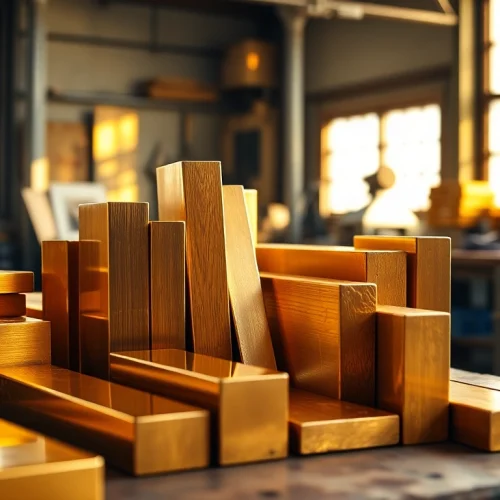
Structural Timber Frame refers to a construction technique that employs timber as the principal load-bearing material. This method comprises a framework of wooden posts, beams, and studs, which can be supplemented with insulation and sheathing materials to create walls, floors, and roofs. The versatility of timber allows architects and builders to design innovative structures while ensuring a lightweight and robust framework.
Benefits of Using Structural Timber Frame
The adoption of structural timber frames comes with an array of benefits:
- Eco-friendly: Timber is a renewable resource, and its use sequesters carbon, helping to mitigate greenhouse gas emissions.
- Energy efficiency: Timber provides excellent insulation, reducing heating and cooling costs for inhabitants.
- Speed of construction: Timber frames can be prefabricated off-site, allowing for faster assembly.
- Aesthetic appeal: The natural aesthetic of wood complements various architectural styles.
- Flexibility: Timber frames admit modifications and expansions easily compared to traditional materials.
Applications in Modern Construction
Structural timber frames have found widespread application in various forms of construction, including:
- Residential buildings: Many contemporary homes employ timber frames for their structural integrity and sustainability.
- Commercial spaces: Offices and retail spaces benefit from the aesthetic and practical advantages of timber framing.
- Public buildings: Schools and community centers utilize timber for its acoustic properties and natural beauty.
- Multi-storey structures: Advances in engineering allow timber frames to be used in taller buildings, demonstrating their strength and versatility.
Key Components of Structural Timber Frame
Main Materials Used
A variety of materials are utilized in structural timber framing, each contributing to the strength and sustainability of the construction. Key materials include:
- Engineered wood products: Materials such as laminated veneer lumber (LVL), glulam, and cross-laminated timber (CLT) enhance strength and stability.
- Softwood and hardwood: Different woods provide varying degrees of durability and aesthetic options.
- Insulation materials: Common options include cellulose, fiberglass, and spray foam, ensuring energy efficiency.
- Sheathing materials: Plywood and oriented strand board (OSB) are often used for wall and roof sheathing.
Design Considerations
Designing with structural timber requires careful consideration of various factors to ensure the building meets both aesthetic and functional needs. This includes:
- Load calculations: Engineers must calculate how much load the structure will bear to ensure safety and performance.
- Moisture control: Preventing wood rot and mold is crucial; proper ventilation and moisture barriers are essential.
- Fire safety: While timber has an inherent ignitability, treatments can enhance its fire resistance without compromising design.
- Acoustic performance: Sound insulation is paramount, particularly in residential or mixed-use developments.
Construction Techniques
Construction methods for structural timber frames vary to accommodate different designs and building codes. Key techniques include:
- Platform framing: Commonly used in residential construction, this method stacks framing layers with each floor creating a platform for the next.
- Balloon framing: Often used in timber frame construction, it involves continuous framing members that run from the foundation to the roof, reducing the amount of material needed.
- Modular construction: Components are prefabricated in a factory setting, allowing for high-quality control and reducing site construction time.
- Post-and-beam construction: A timeless method involving vertical posts and horizontal beams to create open layouts with fewer support walls.
Advantages of Structural Timber Frame Over Other Methods
Cost-Effectiveness
Cost considerations are crucial in construction, and structural timber frames often present significant financial advantages:
- Lower material costs: Timber is typically cheaper than steel or concrete, significantly affecting overall project budgets.
- Reduced labor costs: Faster assembly times with prefabricated components reduce labor expenses and site management fees.
- Energy savings: Enhanced insulation leads to lower heating and cooling bills, providing long-term financial benefits.
Environmental Impact
Given the ongoing concerns related to climate change, the environmental benefits of structural timber frames are compelling:
- Carbon sequestration: Timber products store carbon dioxide, playing a critical role in reducing overall emissions.
- Low embodied energy: Timber requires less energy to produce than alternatives like steel or concrete, significantly lowering the carbon footprint of any project.
- Recyclability: Timber can be repurposed or recycled, further minimizing waste and promoting sustainability.
Durability and Longevity
While some may question the durability of timber, modern treatments and innovations have ensured timber frames can withstand the test of time:
- Engineered wood technology: Advances in engineered wood products have greatly enhanced the structural integrity and lifespan of timber used in construction.
- Proper maintenance: Regular maintenance can prevent issues such as decay, ensuring timber structures remain strong and durable.
- Resistance to the elements: New treatments can enhance resistance to moisture, insects, and fire, further extending the life of timber frames.
Challenges in Implementing Structural Timber Frame
Common Misconceptions
Despite the numerous advantages, structural timber frames are sometimes misunderstood, leading to their underutilization:
- Fire safety myths: Many believe timber structures are inherently unsafe, but advancements in treatment and design can mitigate fire risks effectively.
- Durability concerns: Common myths regarding susceptibility to pests and weather damage are often exaggerated, especially with new treatments available.
- Limited design options: The perception that timber framing is less flexible in design has been debunked by innovative architectural practices.
Building Codes and Regulations
Navigating building codes and regulations can be a challenge when implementing structural timber frames. It necessitates:
- Understanding local codes: Each region may have specific requirements and standards that need to be followed.
- Obtaining necessary approvals: Securing permits can add time and complexity to construction projects, requiring detailed plans and inspections.
- Engaging qualified professionals: Involving architects and engineers knowledgeable in timber construction can help navigate these challenges efficiently.
Maintenance Requirements
Proper maintenance is essential for the longevity of structural timber frames. Key aspects include:
- Regular inspections: Checking for signs of damage, such as leaks or insect infestations, helps catch problems early.
- Protective treatments: Applying preservatives and finishes can extend the life of timber, preventing rot and pest issues.
- Moisture management: Ensuring proper drainage and ventilation helps mitigate moisture-related problems that can affect the integrity of the frame.
Future Trends in Structural Timber Frame
Technological Innovations
Innovations in technology are significantly enhancing the capabilities and efficiencies of structural timber frames. Notable advancements include:
- Automation and robotics: Utilizing robots for prefabrication thrives on precision and speed, enhancing construction timelines and quality.
- Advanced modeling software: Design software allows for precise calculations, optimizing structures for efficiency and performance.
- Smart materials: Innovations in timber treatment and composite materials promise enhanced durability and resilience.
Sustainability Practices
As sustainability becomes increasingly important in construction, the following practices are gaining traction:
- Responsible sourcing: Ensuring timber is sourced from sustainably managed forests is paramount for ecological balance.
- Circular economy concepts: Emphasizing the reuse and repurposing of timber helps minimize waste and promotes a sustainable lifecycle.
- Green building certifications: Achieving certifications such as LEED or BREEAM can enhance building performance and sustainability.
Market Demand and Opportunities
The demand for structural timber frame constructions continues to grow. Key opportunities include:
- Resilient building designs: Incorporating timber in designs that prioritize resilience against natural disasters is becoming increasingly relevant.
- Urban infill projects: Timber frames offer efficient solutions for utilizing smaller urban spaces, particularly in densely populated areas.
- Greater acceptance in multi-family projects: Timber framing is increasingly being adopted in larger, multi-family residential projects, expanding its reach and applicability.
FAQs About Structural Timber Frame
1. Is structural timber frame a sustainable option?
Yes, structural timber frame is considered sustainable, as it utilizes renewable resources and sequesters carbon, contributing to environmental conservation.
2. How does structural timber frame compare to traditional methods?
Structural timber frames are often more cost-effective, quicker to build, and environmentally friendly compared to traditional concrete and steel methods.
3. Are structural timber frames fire-resistant?
With appropriate treatments and design strategies, structural timber frames can exhibit improved fire resistance, making them safe for modern constructions.
4. What maintenance do timber frames require?
Regular inspections, protective treatments, and ensuring proper moisture management are essential to maintain the integrity and longevity of timber frames.
5. Can structural timber frames support multi-storey buildings?
Yes, advances in engineered wood technologies allow timber frames to support multi-storey buildings, making them feasible for diverse architectural projects.