
Understanding the Best California Wineries
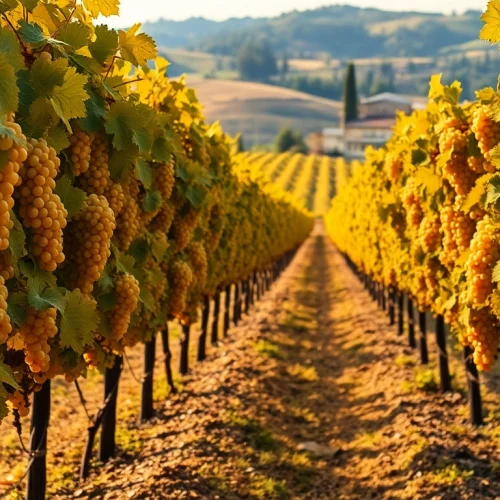
California is synonymous with wine, boasting a legacy that elevates it to the forefront of the global viticulture landscape. The state’s diverse climate, geographic expanses, and rich soil fertility combine to create ideal conditions for grape cultivation. Whether you’re a seasoned wine connoisseur or just a casual enthusiast, discovering the best california wineries is both an educational and delightful experience.
The Historical Significance of California Wineries
The winemaking tradition in California dates back to the Spanish missions of the late 1700s, where grapevines were first planted to produce sacramental wine. The 19th century saw the establishment of numerous wineries, with Napa and Sonoma emerging as pivotal regions. These areas thrived particularly during the Gold Rush era, as fortune-seekers discovered that fine wine was as rewarding as gold. Notable events, such as the Paris Wine Tasting of 1976, when California wines triumphed over French choices, catalyzed the recognition of California’s winemaking prowess.
Key Regions Producing Quality Wines
California’s wine landscape is rich and varied, encompassing several distinct regions, each contributing uniquely to the state’s reputation as a wine-producing powerhouse. Some of the most notable regions include:
- Napa Valley: Renowned for its Cabernet Sauvignon and Merlot, Napa Valley is perhaps the most famous wine region worldwide, celebrated for its luxurious estates and top-tier wines.
- Sonoma County: Known for its diverse climates, Sonoma offers a variety of wines, from Zinfandel to Chardonnay, making it a fantastic destination for exploration.
- Santa Barbara: With cooler coastal climates, Santa Barbara is recognized for its Pinot Noir and Chardonnay, frequently attributed to its unique west-east oriented valleys.
- Paso Robles: This region has gained fame for its bold Zinfandels and Rhône varietals, boasting a growing reputation as an upcoming wine destination.
Notable Varietals and Their Characteristics
California is home to a plethora of grape varietals, each with its own unique taste profile and characteristics. Understanding these varietals can greatly enhance your wine-tasting experience:
- Cabernet Sauvignon: This full-bodied red is known for its rich, dark fruit flavor, often accompanied by hints of spice and oak.
- Chardonnay: A versatile white wine, Chardonnay can exhibit flavors ranging from crisp green apple to buttery popcorn, depending on the wine-making process.
- Zinfandel: Often considered California’s flagship grape, Zinfandel showcases jammy fruit flavors and a touch of pepperiness, making it a favorite among many wine enthusiasts.
- Pinot Noir: This grape thrives best in cooler climates, producing elegant and nuanced wines that often highlight red fruit flavors, floral notes, and earthy undertones.
Factors to Consider When Choosing Wineries
When planning a visit to California wineries, several factors can enhance your experience, making it more enjoyable and fulfilling. Here are key considerations to keep in mind:
Wine Quality and Variety
The quality of wine and the variety available should be top priorities when selecting a winery to visit. Research wineries in advance, focusing on their specialties and reviews. Many wineries offer tasting flights that showcase a range of varietals. Don’t hesitate to ask about their award-winning wines or lesser-known gems that could make your tasting experience unique.
Atmosphere and Visitor Experience
The ambiance of a winery can significantly influence your visit. Some people appreciate bustling vineyards with lively crowds, while others may prefer a tranquil setting with serene landscapes. Consider the types of experiences each winery offers—whether it’s guided tours, outdoor seating, or special events. Reading reviews can help you gauge the atmosphere and whether it aligns with your preferences.
Pairing Options and Culinary Offerings
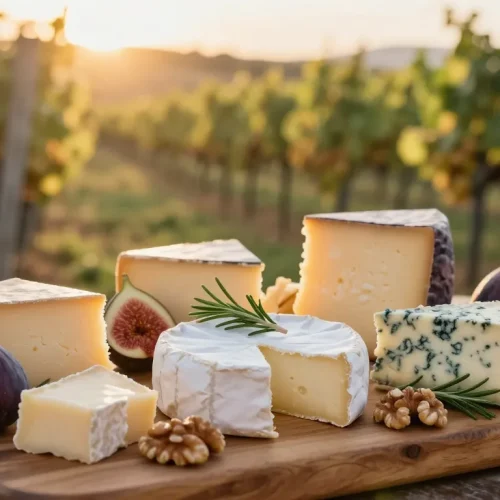
Great wine is often paired with great food. Many wineries have on-site restaurants or offer local cheese and charcuterie to complement their wines. Explore the culinary options available, as this can greatly enhance your tasting experience. Some wineries even host food pairing events, giving you a chance to experience wine in a more holistic way.
Best Practices for Winery Visits
To make the most of your winery visits, consider implementing these best practices to ensure a rewarding experience:
Planning Your Itinerary
Before you set out on your winery tour, create an itinerary that includes the wineries you wish to visit, their tasting hours, and any special events they may be hosting. Scheduling your visits close together can be beneficial, but be sure to account for travel time between venues.
Engaging with Winery Staff
The staff at wineries are often passionate about their craft and are usually eager to share their knowledge. Ask questions about the wine-making process, vineyard practices, and their personal recommendations. Engaging with staff can provide insights that enhance your overall understanding and enjoyment of the wines.
Tasting Etiquette and Techniques
When participating in wine tastings, adopting proper etiquette can enrich the experience for you and those around you. Here are a few tips:
- Start with lighter wines and gradually move to bolder options.
- Swirl the wine gently in your glass to release its aromas.
- Take small sips to savor the flavors rather than gulping it down.
- Know when to express your opinions, allowing others to share theirs, creating a balanced conversation.
Maximizing Your Wine Tasting Experience
To truly appreciate wine, it’s important to focus on what makes each glass unique. Here are ways to enhance your sensory experience:
Recognizing Flavor Notes and Profiles
Every wine has its own flavor notes and aromas that contribute to its character. Engaging your senses—sight, smell, and taste—will help you identify these profiles. Practice common descriptors such as fruity, floral, herbal, or mineral. Exploring flavors can turn a simple tasting into a deeply enriching experience.
Understanding Wine Labels
Wine labels may seem simplistic at first glance but hold a wealth of information that can influence your selection. Pay attention to the varietal, vineyard, region, vintage, and any designations that indicate quality, such as ‘Estate Bottled.’ Understanding these terms will aid in making informed choices while purchasing wine.
Making Informed Purchasing Decisions
Use your tasting experience to guide you in making purchases. If you find a wine you love, inquire about purchase options directly from the winery. Many offer discounts for members of their wine clubs, which are also a fantastic way to discover limited releases and exclusive blends.
FAQs about the Best California Wineries
What are the best times to visit California wineries?
The best times to visit are during the spring and fall, when weather conditions are mild, and vineyards are vibrant. Additionally, harvest season offers a unique and bustling atmosphere.
How do I choose the right winery for my taste?
Research online reviews and winery websites. Look for wineries known for your preferred varietals, and take advantage of curated tasting options to sample a few different styles.
Are reservations required for wine tastings?
Many popular wineries require reservations, while others accept walk-ins. It’s best to check the winery’s website ahead of your visit to avoid disappointment.
What should I wear when visiting wineries?
Comfortable attire is recommended, with smart casual often being appropriate. Consider wearing layers as temperatures can fluctuate between indoor and outdoor spaces.
Can I bring food to a winery?
Policies vary by winery. Some wineries allow picnics while others have exclusive food offerings on-site. Check beforehand to ensure compliance with their rules.