

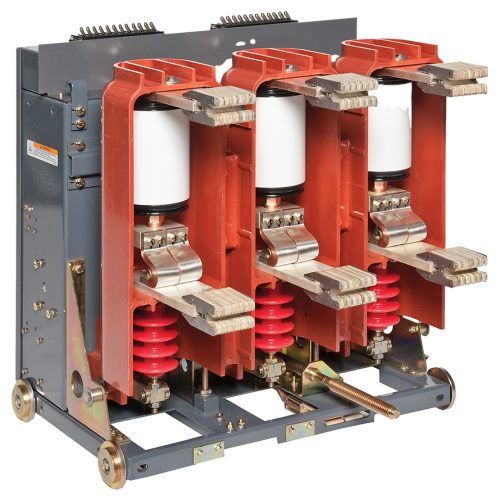
A vacuum circuit breaker (VCB) is a vital component in electrical systems, offering reliable protection for medium-voltage applications. Proper maintenance ensures that your Vacuum circuit breaker continues to operate efficiently and safely, extending its lifespan and reducing the risk of costly downtime. This article outlines essential maintenance tips to get the most out of your vacuum circuit breaker.
Understand Your Vacuum Circuit Breaker
A vacuum circuit breaker operates by extinguishing electrical arcs in a vacuum, making it highly efficient and low-maintenance compared to air or oil circuit breakers. The sealed vacuum interrupter ensures minimal contamination and wear, but routine checks are still essential for maximum reliability.
Key Maintenance Tips for Vacuum Circuit Breakers
1. Regular Inspection of Contacts
The contacts inside a vacuum circuit breaker are critical to its operation. Even though the vacuum environment minimizes oxidation, periodic inspection ensures the contacts are free from erosion or misalignment. Facilities should perform visual and mechanical inspections according to the manufacturer’s schedule to maintain optimal performance.
2. Operating Mechanism Checks
The operating mechanism of a vacuum circuit breaker enables fast and reliable fault interruption. Regular testing of the mechanical components, including springs and linkages, ensures smooth operation and prevents unexpected failures. Lubrication of moving parts may be recommended depending on the manufacturer’s guidelines.
3. Vacuum Interrupter Monitoring
Although the vacuum interrupter is sealed, monitoring its condition is vital. Check for signs of insulation deterioration or abnormal temperature variations. Using diagnostic tools, such as contact resistance testers, can help identify early issues and prevent unexpected breaker failure.
4. Clean Surrounding Environment
Keeping the area around a vacuum circuit breaker clean is crucial. Dust, moisture, and debris can affect external components and may compromise safety. Ensure switchgear cabinets are well-ventilated and free from contaminants to maximize the vacuum circuit breaker’s lifespan.
5. Perform Routine Electrical Tests
Periodic electrical tests, including insulation resistance tests, contact resistance measurements, and timing tests, help verify the vacuum circuit breaker’s operational integrity. These tests detect potential issues before they escalate, ensuring continuous protection for your equipment.
6. Follow Manufacturer Guidelines
Each vacuum circuit breaker model may have specific maintenance requirements. Following the manufacturer’s recommended schedule and procedures is essential for safe operation and extended lifespan. This ensures all components are properly maintained according to design specifications.
7. Maintain Proper Records
Documenting inspections, tests, and maintenance activities helps track the vacuum circuit breaker’s condition over time. Proper records allow technicians to spot trends, plan preventive maintenance, and predict potential failures, further enhancing the longevity of your equipment.
Conclusion
Proper maintenance is key to maximizing the lifespan of a vacuum circuit breaker. Regular inspections, monitoring the vacuum interrupter, operating mechanism checks, electrical tests, and a clean environment all contribute to reliable performance and long-term protection.
By following these maintenance tips, facilities can ensure their vacuum circuit breaker continues to provide fast, safe, and dependable protection for years. Investing in routine care not only prolongs the life of your equipment but also safeguards your operations and reduces overall maintenance costs.