

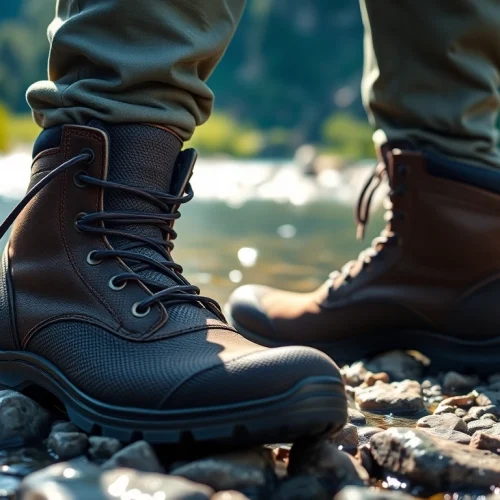
Understanding Fly Fishing Boots
What are Fly Fishing Boots?
Fly fishing boots are specialized footwear designed to facilitate fishing in rivers, lakes, and streams. They are essential for anglers who wade into the water, offering protection, support, and traction to navigate slippery and uneven surfaces. Unlike regular hiking or outdoor boots, fly fishing boots are typically constructed with durable materials that withstand frequent exposure to water and various environmental conditions. Additionally, they are designed to be lightweight and comfortable, allowing for extended wear during fishing excursions.
Types of Fly Fishing Boots
When it comes to fly fishing boots, two primary types dominate the market: felt-soled and rubber-soled boots. Each type offers distinct advantages based on the fishing environment and conditions.
Felt-Soled Boots: Traditionally favored by anglers, these boots have felt soles that provide excellent grip on slippery rocks and surfaces. The felt material adheres well to wet conditions, making it ideal for stream and lake fishing where surfaces can be slick. However, some regions have banned felt soles due to concerns over transferring invasive species.
Rubber-Soled Boots: This type of boot has gained popularity due to its versatility. Rubber soles provide good traction on various surfaces, including trails and muddy banks. They are often treated with specific patterns or added studs to enhance grip. Rubber-soled boots are also easier to clean, helping to minimize the risk of transferring harmful species.
Choosing the Right Sole Type
Choosing the right sole type for your boots primarily depends on the fishing environments you frequent. If you frequently fish in areas with slippery rocks, felt soles might be the best choice for you. Conversely, if you often find yourself transitioning between land and water or on trails, rubber soles could provide better functionality. Some boots even feature interchangeable soles, allowing you to customize for specific conditions as needed. Ultimately, understanding the pros and cons of each sole type will help you make an informed decision in selecting the best fly fishing boots for your adventures.
Key Features of Quality Fly Fishing Boots
Ankle Support and Comfort
Quality fly fishing boots must provide excellent ankle support, enhancing stability while wading through variable water depths and uneven terrains. Good ankle support helps prevent injuries, especially when navigating slippery rocks or unstable ground. Consider boots that feature padded collars and adjustable straps for a snug fit.
In addition to support, comfort is paramount. Look for cushioned insoles and breathable materials to keep your feet dry and reduce fatigue during long fishing sessions. Boots that accommodate different sock types are also advantageous, as thickness can vary based on personal preference and season.
Water Resistance and Durability
Another critical feature is water resistance. The best fly fishing boots are constructed from waterproof materials that prevent water from seeping in, keeping your feet dry and comfortable. Look for boots with sealed seams and robust waterproof linings for optimal performance.
Durability is a key consideration as well. The boots you choose should withstand the wear and tear of rugged fishing environments. High-quality materials, such as synthetic fabrics or leather, typically offer improved durability. Furthermore, look for reinforced toe caps and rugged outsoles that can handle abrasive surfaces and impacts.
Weight and Traction
The weight of your fly fishing boots can significantly influence your overall fishing experience. Lightweight boots offer ease of movement, making it less tiring to wade through water. However, they should not compromise on stability or support.
Traction is a crucial aspect of fly fishing boots, as it directly impacts safety and mobility in the water. Consider boots with advanced outsole technologies that enhance grip on wet surfaces. Outsoles made with multi-directional lugs or additional traction materials will offer improved performance in various conditions.
Choosing the Best Fit
Measuring Your Size
Proper fit is essential when choosing fly fishing boots. Begin by measuring your foot size, preferably in the afternoon when your feet are slightly swollen. Use a ruler or measuring tape to determine your foot’s length and width, and refer to the manufacturer’s sizing charts for accurate comparisons. Ensure that you wear socks similar to those you plan to use while fishing, as sock thickness can influence fit.
Trying Before Buying
If possible, try the boots on in-store or order from a retailer with a good return policy, allowing you to test them in real conditions. Consider walking around with the boots on and even simulating wading in shallow water to get a feel for comfort, support, and fit. Pay attention to any areas that feel tight or uncomfortable, and choose a style that accommodates the shape of your foot.
Customizable Features
Some fly fishing boots come with customizable features, making them more versatile for anglers. Look for options like interchangeable soles or adjustable ankle straps, which can help you adapt your footwear to changing conditions. Boots that offer features like drainage systems or breathable materials are also great for keeping your feet dry and comfortable during prolonged use.
Maintaining Your Fly Fishing Boots
Cleaning Techniques
Maintaining your fly fishing boots is essential for prolonging their life and ensuring optimal performance. After each use, rinse your boots with fresh water to remove dirt and debris that can cause wear over time. Use a soft brush to scrub away any tougher spots but avoid abrasive cleaners that may damage the boot’s materials.
Storage Tips
Proper storage of your fly fishing boots is vital to maintaining their condition. Store them in a cool, dry place away from direct sunlight to prevent degradation of materials. It’s also beneficial to keep them in an upright position to maintain their shape. In some cases, you may opt to stuff them with newspaper or shoe trees to help retain their form and absorb moisture.
When to Replace Your Boots
Regular inspection of your fly fishing boots helps to determine when they need replacing. Signs of significant wear, leaks, or diminished ankle support are clear indicators that it’s time for a new pair. If you find that your boots no longer provide adequate traction or feel uncomfortable, it’s wise to consider an upgrade to enhance both safety and performance during your fishing trips.
FAQs about Fly Fishing Boots
What types of soles are available for fly fishing boots?
Fly fishing boots typically come with felt or rubber soles. Felt is known for superior grip on slippery surfaces, while rubber offers versatility and durability on various terrains.
How should fly fishing boots fit?
Your fly fishing boots should fit snugly but allow for movement and comfort. It’s essential to wear the socks you plan to use when trying them on to ensure a proper fit.
Are fly fishing boots waterproof?
Many fly fishing boots are waterproof or water-resistant, essential for keeping your feet dry while wading. Look for boots made from specialized materials for the best protection.
How do I clean my fly fishing boots?
Rinse your fly fishing boots with fresh water after use to remove dirt and debris. Use a soft brush for tougher spots, and let them air dry completely.
When should I replace my fly fishing boots?
Consider replacing your fly fishing boots if they show significant wear, have leaks, or no longer provide adequate ankle support or traction. Regular inspection can help determine the need for replacement.